Better Control. Fewer Emergencies. More Living.
People with diabetes deserve better than juggling multiple devices and living in fear of dangerous lows. Pancreum unites insulin, glucagon, and glucose monitoring in a single tubeless wearable — designed around better outcomes, not more hardware.
Interactive Experience
See three devices become one — and watch it catch a dangerous low
Why Pancreum Is Different
Unlike Anything in Diabetes Care
3-in-1 Integrated
Insulin pump, glucagon, and continuous glucose monitoring united in one device — no other product does all three.
Tubeless & Compact
A discreet wearable with no tubing — the direction the whole industry is moving, built in from day one.
Patented
4 issued patents plus 1 pending protect the integrated, tubeless dual-hormone design.
Proven Team
Built by engineers who previously helped develop and commercialize industry-leading insulin pumps.
Why Outcomes Haven't Kept Up
Despite billions spent on diabetes technology, patients still face the same daily struggles. Current devices manage part of the problem — but not all of it.
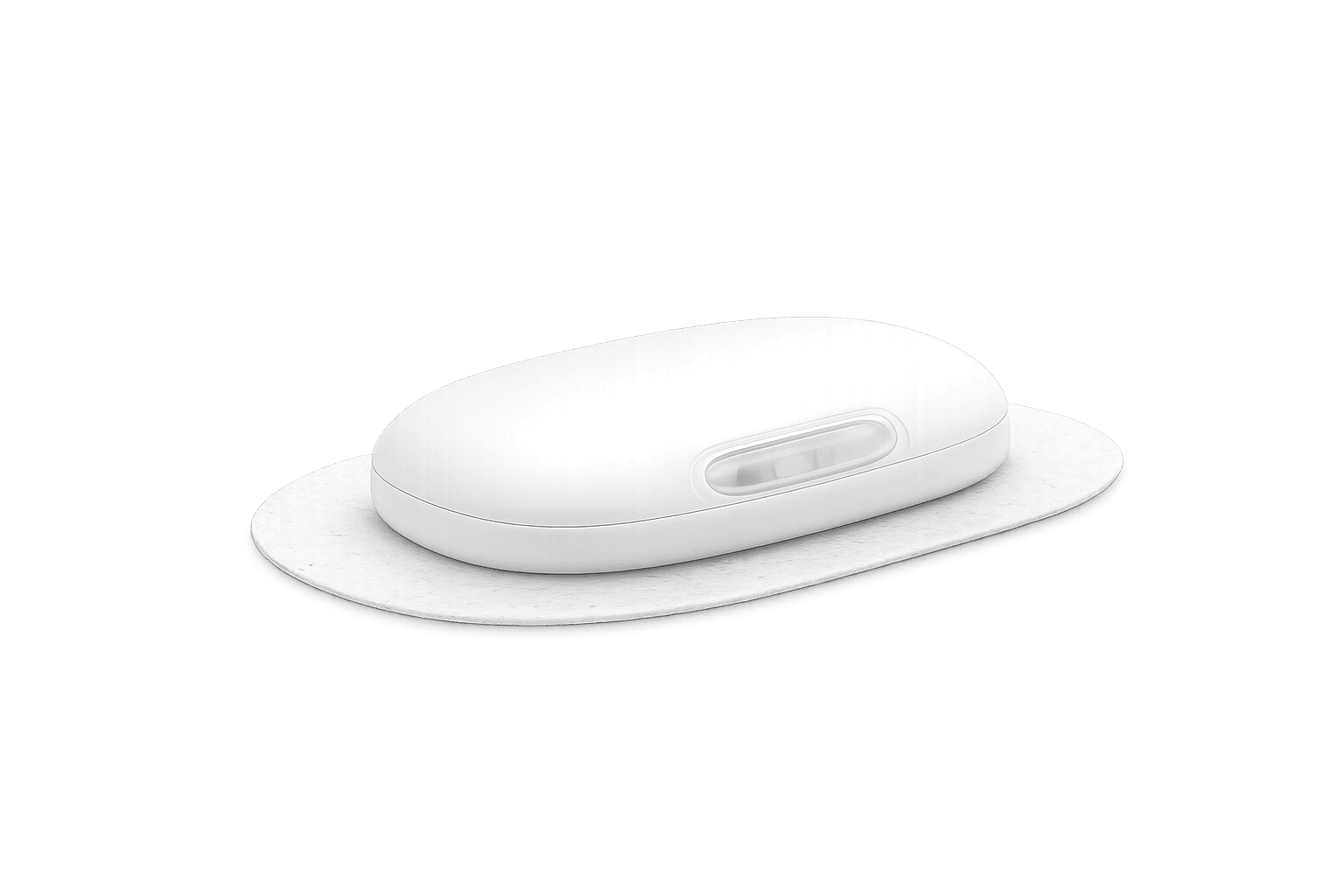
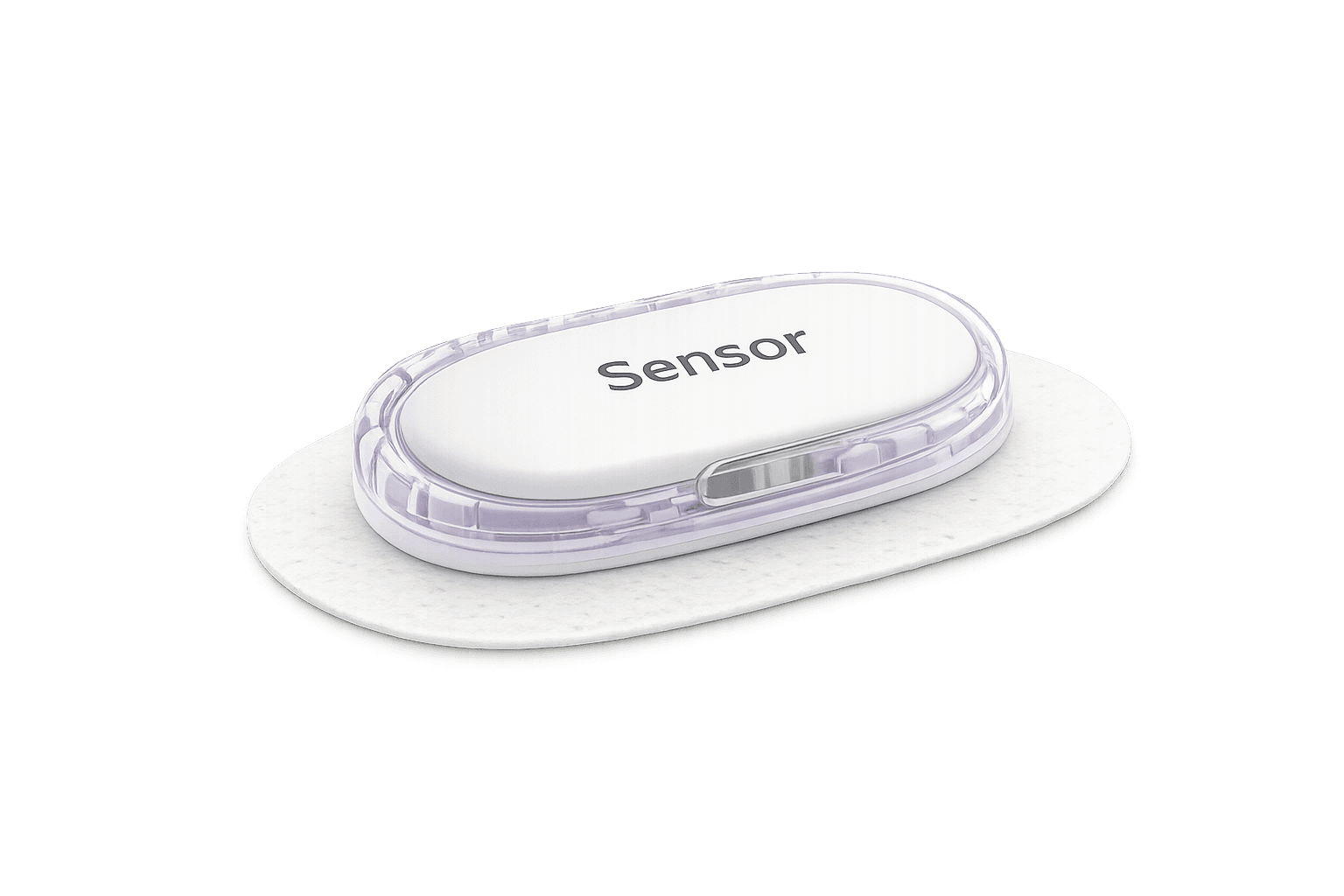

Three separate devices to carry, manage, and replace.
Limitation
No Protection From Lows
Every pump on the market delivers only insulin. When blood sugar drops dangerously low, the best they can do is stop delivering. They cannot actively bring you back up. That gap puts lives at risk every night.
Limitation
Device Fatigue
Patients wear a pump on one arm and a sensor on another — two insertion sites, two adhesive patches, two replacement schedules. The burden of managing multiple devices leads to burnout, and burnout leads to worse outcomes.
Limitation
202,000 ER Visits
Severe hypoglycemia sends over 200,000 people to the emergency room every year in the U.S. alone. Current pumps can reduce insulin, but cannot deliver the glucagon rescue that could prevent these emergencies.
Designed Around Better Outcomes
More time in range. Fewer dangerous lows. Less to manage. One device that works together, not three that work apart.
A Real Safety Net
Both insulin and glucagon in one device. When glucose drops, Pancreum doesn't just stop insulin — it actively brings you back. That means fewer emergencies, fewer ER visits, and peace of mind while you sleep.
Less to Manage
The glucose monitor is built in. No second device, no extra patches, no juggling replacement schedules. Less device fatigue means better adherence and better long-term outcomes.
Designed for Real Life
Tubeless, discreet, and controlled from your phone. Wear it to work, to the gym, to bed — without tubing, bulk, or constant attention. And it's built to evolve toward fully autonomous AI control.
Why Nothing Else Comes Close
Current devices address pieces of the problem. Pancreum addresses all of it — in one wearable, with one goal: better outcomes for patients.
| Capability | Pancreum | Omnipod 5 | Tandem | Medtronic | iLet |
|---|---|---|---|---|---|
| Insulin Delivery | Yes | Yes | Yes | Yes | Yes |
| Glucagon Delivery | Yes | No | No | No | No |
| Integrated CGM | Yes | No | No | No | No |
| Tubeless Design | Yes | Yes | No | No | No |
| Smartphone Control | Yes | Yes | Yes | Yes | Yes |
Based on commercially available or FDA-cleared configurations as of 2025. Beta Bionics iLet dual-hormone version remains in development.
Toward a Life Without Managing Diabetes
Today, Pancreum gives you better control with less effort. Tomorrow, the platform evolves toward full AI autonomy — learning your body, anticipating your needs, and managing diabetes so completely that you barely think about it.
Today
Smartphone-controlled
integrated wearable
Tomorrow
Adaptive AI that learns
your unique patterns
Vision
Fully autonomous
AI-controlled platform